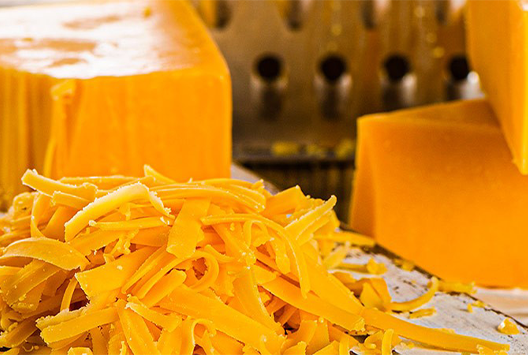
Cheddar Cheese
Introduction to Cheddar Cheese
Cheddar cheese is one of the most iconic dairy products in the United Kingdom, known for its rich flavour and versatility in everyday cooking. It has been enjoyed for centuries and remains a staple in British households, from simple sandwiches to gourmet recipes. This guide explores its origins, benefits, and how to choose the best cheddar cheese for different culinary needs and lifestyles.
Cheddar cheese continues to hold a strong place in modern diets due to its balanced taste and adaptability. Whether mild or mature, it enhances a wide range of dishes while offering essential nutrients. Its popularity across the UK reflects both tradition and innovation, making cheddar cheese a timeless favourite for home cooks, chefs, and food enthusiasts seeking quality flavour and dependable texture.
What Is Cheddar Cheese
Cheddar cheese is a semi-hard, natural cheese made primarily from cow’s milk and is recognised for its smooth yet firm texture. It can range in colour from pale ivory to deep orange depending on the use of natural colouring. The flavour profile of cheddar cheese changes significantly with age, starting mild and becoming sharper and more complex over time.
One of the defining processes behind cheddar cheese is “cheddaring,” which involves stacking and turning curds to remove moisture and develop texture. This method gives cheddar its distinctive density and taste. As a result, cheddar cheese stands apart from many other cheese varieties and is widely used in cooking due to its excellent melting properties and long shelf stability.
History of Cheddar Cheese in the UK
The origins of cheddar cheese can be traced back to Somerset in England, where it was first produced centuries ago. The cool and humid environment of Cheddar Gorge played an important role in the natural ageing process, helping develop its unique flavour. Over time, cheddar cheese became one of Britain’s most celebrated food exports.
Historical connections also add cultural depth to cheddar cheese, particularly through discoveries such as Cheddar Man. This ancient link highlights the long human presence in the region. Today, cheddar cheese represents both tradition and innovation, maintaining its heritage while evolving into a globally recognised product enjoyed in countless cuisines.
Types of Cheddar Cheese
There are several varieties of cheddar cheese, each defined by its ageing period and flavour intensity. Mild cheddar cheese offers a creamy and gentle taste, while mature versions provide a stronger and more developed flavour. Extra mature and vintage cheddar cheese deliver a sharp, rich profile that appeals to those who enjoy bold and complex dairy products.
The diversity of cheddar cheese makes it suitable for different culinary uses. Mild versions are often used for melting, while stronger varieties are preferred for cheese boards and snacking. This flexibility ensures that cheddar cheese remains one of the most versatile ingredients in both traditional British cooking and modern international recipes, adapting easily to a wide range of dishes.
Nutritional Value and Benefits of Cheddar Cheese
Cheddar cheese is a nutrient-rich food that provides essential elements such as calcium, protein, and vitamin B12. These nutrients support bone strength, muscle development, and overall energy levels. When consumed in moderation, cheddar cheese can be a valuable part of a balanced diet, offering both flavour and nutritional benefits that contribute to daily wellbeing.
However, cheddar cheese is also relatively high in calories and saturated fats, which means portion control is important. Including it in meals alongside vegetables, whole grains, and lean proteins helps maintain balance. Despite this, cheddar cheese remains a popular choice due to its satisfying taste and ability to enhance both simple and complex dishes.
How Cheddar Cheese Is Produced
The production of cheddar cheese begins with fresh cow’s milk, which is heated and combined with bacterial cultures and enzymes to form curds. These curds are cut, cooked, and pressed to remove whey, creating the firm structure associated with cheddar cheese. This process is essential in developing its texture and long-lasting quality.
After curd formation, the cheddar cheese undergoes a unique step known as cheddaring, where curds are stacked and turned repeatedly. This technique helps control moisture and enhances flavour development. The cheese is then aged under carefully monitored conditions, allowing cheddar cheese to develop its distinctive taste profile, ranging from mild and creamy to sharp and robust.
How to Choose the Best Cheddar Cheese in the UK
Selecting high-quality cheddar cheese in the UK requires attention to ageing, ingredients, and origin. Authentic products often highlight traditional production methods and regional sourcing. When choosing cheddar cheese, consumers should consider whether they prefer mild, mature, or extra mature varieties based on taste preferences and intended use in cooking.
Packaging and storage information are also important when buying cheddar cheese. Properly sealed products maintain freshness and flavour for longer periods. For everyday cooking, mild cheddar cheese works well, while stronger versions are ideal for richer dishes. Understanding these differences helps consumers make informed choices that enhance their overall culinary experience.
Culinary Uses of Cheddar Cheese
Cheddar cheese is widely used in a variety of dishes due to its excellent melting qualities and rich flavour. It is commonly added to sandwiches, pasta, and baked meals, making it a staple ingredient in UK kitchens. One of the most popular comfort foods is cheddar-based soup, which highlights the cheese’s creamy texture and depth of flavour.
Classic recipes such as broccoli cheddar soup demonstrate how cheddar cheese can elevate simple ingredients into satisfying meals. Its ability to blend smoothly into sauces and toppings makes it highly versatile. Whether grated over dishes or melted into sauces, cheddar cheese enhances both everyday meals and gourmet recipes with ease and consistency.
Cheddar Cheese, Culture and UK Heritage
Cheddar cheese is closely linked with British heritage and tourism, particularly in Somerset, where visitors can explore the historic landscape of Cheddar. The region is known for its dramatic scenery and cultural significance, making it a popular destination for food lovers and travellers interested in traditional cheese production.
Natural attractions such as Cheddar Gorge caves offer insight into the geological history of the area, while also connecting to the origins of cheddar cheese. Visitors often enjoy local hospitality and accommodation, including countryside retreats. This blend of food heritage and natural beauty strengthens the cultural identity of cheddar cheese in the UK.
Conclusion
Cheddar cheese remains one of the most important and versatile dairy products in British cuisine. Its long history, diverse types, and rich nutritional profile make it a staple in households across the UK. From mild varieties to strong aged forms, cheddar cheese continues to satisfy a wide range of tastes and culinary needs.
Understanding how cheddar cheese is made, selected, and used allows consumers to appreciate its full value. Whether enjoyed in simple meals or gourmet dishes, cheddar cheese represents tradition, quality, and flavour. Its continued popularity ensures it will remain a key part of British food culture for generations to come.
You may also read: Has Henry Zeffman Replaced Nick Eardley?
About the Author