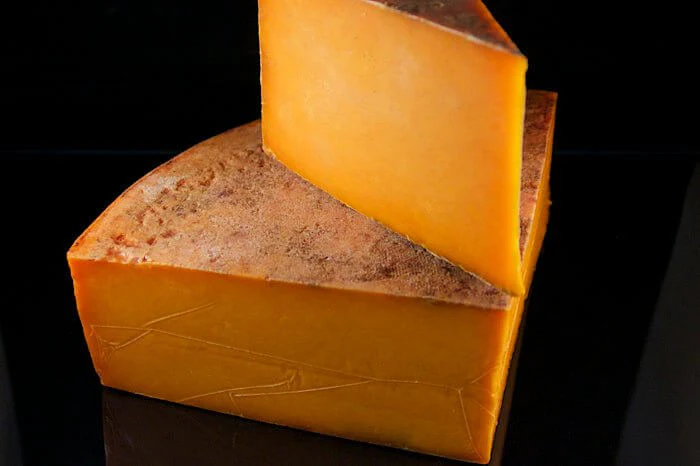
Red Leicester Cheese
Introduction to Red Leicester Cheese
Red Leicester cheese is one of the most recognisable traditional cheeses in the United Kingdom, admired for its vibrant orange-red colour and smooth, slightly crumbly texture. It has become a staple in British households due to its mild flavour and versatility in everyday cooking. Whether used in sandwiches, grated over hot meals, or enjoyed with crackers, red leicester cheese remains a popular choice for cheese lovers seeking a comforting and familiar taste experience.
The popularity of red leicester cheese has grown steadily across the UK thanks to its wide availability in supermarkets and artisan dairies. It is often chosen as an affordable alternative to stronger cheeses while still offering rich flavour and satisfying texture. Its visual appeal and gentle nuttiness make it especially appealing in family meals, packed lunches, and snack platters, helping it maintain its place as a British cheese classic.
What Is Red Leicester Cheese
Red Leicester cheese is a traditional hard cheese made from cow’s milk and originally produced in the English county of Leicestershire. It is closely related to cheddar in production style, but it has a slightly softer, more crumbly texture and a milder, creamier taste. Many cheese enthusiasts appreciate red leicester cheese for its balance between richness and subtle sweetness, making it suitable for both cooking and snacking purposes.
Historically, red leicester cheese was developed as a way to preserve surplus milk and create a long-lasting food source in rural England. Over time, it became a recognised regional speciality and eventually gained national popularity. Today, both mass-produced and artisan versions exist, including premium varieties such as Sparkenhoe Red Leicester, which is crafted using traditional farmhouse methods that highlight the cheese’s authentic British heritage.
Why Is Red Leicester Cheese Red
The distinctive colour of red leicester cheese comes from a natural plant-based colouring known as annatto, which is derived from the seeds of the achiote tree. This ingredient has been used in cheese-making for centuries and does not significantly alter the flavour. Instead, it gives the cheese its iconic warm orange-red tone, which helps distinguish it visually from other British hard cheeses.
Originally, annatto was added to ensure consistency in appearance and to indicate quality during production. Today, it remains an essential part of red leicester cheese identity and branding across supermarkets and artisan producers. Many consumers still ask why is red leicester red, and the answer lies in this traditional, natural colouring method that has become deeply embedded in British cheese-making culture.
Taste, Texture, and Culinary Uses

Red leicester cheese offers a mild, nutty, and slightly sweet flavour that becomes more pronounced as it matures. Its texture is firm yet crumbly, making it easy to slice, grate, or melt depending on the dish. When aged, the flavour deepens, developing richer undertones while still maintaining its smooth and approachable taste profile, which makes it suitable for a wide range of culinary applications.
In cooking, red leicester cheese is extremely versatile and is commonly used in toasties, pasta dishes, soups, and baked recipes. It melts beautifully, adding colour and creaminess to meals. It is also widely enjoyed on crackers or in sandwiches, where its flavour complements both fresh vegetables and cured meats. Its adaptability has made red leicester cheese a household favourite across generations in the UK.
Red Leicester Cheese vs Cheddar
When comparing red leicester cheese vs cheddar, the differences become clear in both taste and texture. Cheddar is typically sharper and more robust, especially when aged, while red leicester cheese offers a gentler, creamier flavour that is easier on the palate. This makes red leicester more appealing to those who prefer milder cheeses with a subtle sweetness rather than intense sharpness.
Texture is another key distinction, as red leicester cheese tends to be more crumbly and slightly moister than cheddar. While both cheeses are excellent for melting, red leicester adds a distinctive colour and softer taste to dishes. Although they share similar production methods, they serve different culinary purposes, with red leicester cheese often chosen for its balance, colour, and versatility in everyday meals.
Is Red Leicester Cheese Healthy
Red leicester cheese provides valuable nutrients such as protein, calcium, and vitamin B12, all of which contribute to bone strength and overall health. When eaten in moderation, it can be part of a balanced diet that supports energy levels and muscle maintenance. However, like most cheeses, it is also high in saturated fat and salt, meaning portion control is important for maintaining a healthy lifestyle.
Many people ask is red leicester cheese healthy, and the answer depends on individual dietary needs and consumption habits. While it offers nutritional benefits, it should be enjoyed alongside a varied diet rich in fruits, vegetables, and whole grains. Choosing smaller portions or pairing it with lighter foods can help balance its richness while still allowing you to enjoy its flavour.
Can Dogs Eat Red Leicester Cheese
Pet owners often wonder can dogs eat red leicester cheese or can dogs have red leicester cheese safely. In small amounts, it is generally not toxic to dogs, but it is not recommended as a regular treat. Many dogs are lactose intolerant, and consuming dairy products like cheese may lead to digestive discomfort, including bloating or diarrhoea.
Although an occasional tiny piece may not cause harm, it is always better to avoid making it part of a dog’s routine diet. Veterinary experts usually recommend healthier, dog-friendly treats that are designed specifically for canine digestion. While red leicester cheese is safe in minimal quantities, moderation and caution should always be prioritised when feeding pets human foods.
Popular Snacks and Flavoured Products
Red leicester cheese has become a popular flavour in the UK snack industry, inspiring a variety of well-known products. Items such as red leicester mini cheddars and quavers red leicester flavour are widely enjoyed for their savoury, cheesy taste. These snacks highlight how the distinctive flavour of this cheese has been adapted into convenient, everyday treats.
Beyond snacks, red leicester cheese is also available in smoked variations that offer a deeper, richer taste experience. Supermarkets such as Aldi also stock affordable versions of red leicester cheese, making it accessible to a broad range of consumers. Its influence on snack culture shows how deeply embedded this cheese has become in modern British food preferences.
Conclusion
Red leicester cheese continues to hold a special place in British cuisine thanks to its unique colour, mild flavour, and versatility in cooking. From traditional farmhouse production to modern supermarket versions, it remains a widely enjoyed cheese across the UK. Its ability to complement both simple snacks and complex dishes ensures its lasting popularity among cheese lovers.
As a symbol of British dairy tradition, red leicester cheese represents both heritage and everyday enjoyment. Whether melted into comfort food, paired with crackers, or enjoyed in snack form, it delivers consistent flavour and satisfaction. Its balance of taste, texture, and accessibility makes it one of the most enduring cheeses in the UK food landscape.
You may also read: What Does HP Sauce Taste Like? Flavour Profile Explained
About the Author