Digestive Biscuits
Introduction to Digestive Biscuits
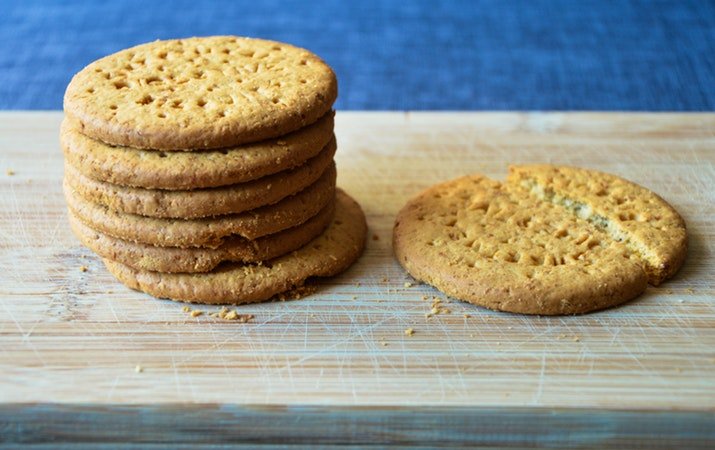
Digestive biscuits are one of the most iconic snacks in British food culture, loved for their wholesome flavour, crunchy texture, and comforting simplicity. These classic biscuits are commonly enjoyed with tea or coffee, making them a staple in homes across the UK. The popularity of digestive biscuits continues to grow because they offer a perfect balance of mild sweetness and satisfying bite.
In modern times, digestive biscuits have become more than just a snack, as they are also used in desserts like cheesecakes and biscuit bases. Many people associate them with comfort and tradition, especially during tea time. Their long-standing presence in British households highlights why digestive biscuits remain a timeless favourite among biscuit lovers.
History and Origin of Digestive Biscuits
The history of digestive biscuits dates back to the 19th century in Scotland, where they were originally developed by two doctors. Their aim was to create a biscuit that was easier to digest, using wholemeal flour as a healthier alternative to refined ingredients. This early intention gave rise to the name digestive biscuits, which has remained unchanged for generations.
Over time, digestive biscuits evolved from a health-focused product into a widely enjoyed everyday snack. As baking methods improved, the recipe became slightly sweeter and more refined, making it appealing to a broader audience. Today, digestive biscuits are produced by multiple brands and remain a symbol of traditional British baking heritage.
Ingredients Used in Digestive Biscuits
The main ingredients in digestive biscuits typically include wholemeal flour, butter, sugar, milk, and raising agents. These simple components come together to create a biscuit that is both crisp and slightly crumbly. The use of wholemeal flour is what gives digestive biscuits their distinctive nutty flavour and rustic texture.
Many modern variations of digestive biscuits also include alternative ingredients such as gluten-free flour or reduced sugar options. These adaptations cater to changing dietary preferences while still preserving the original essence of digestive biscuits. Despite variations, the classic recipe remains the most popular among consumers in the UK.
Calories and Nutritional Value of Digestive Biscuits
Digestive biscuits are moderately calorie-dense due to their butter and carbohydrate content, making them an energy-rich snack. On average, each biscuit provides a small amount of calories that can contribute to daily energy intake, especially when eaten with tea or as a quick snack between meals. Portion control is important when enjoying digestive biscuits regularly.
In comparison to cream-filled or chocolate-coated alternatives, digestive biscuits are often considered a slightly better option. However, they still contain sugar and fats, meaning they should be eaten in moderation. Many people choose digestive biscuits as a balanced treat that offers both taste and simple nutritional value.
How to Make Homemade Digestive Biscuits
Making digestive biscuits at home is a rewarding process that allows you to enjoy fresh, warm biscuits straight from the oven. The preparation involves mixing wholemeal flour, butter, sugar, and milk to form a smooth dough, which is then rolled out and cut into circular shapes before baking until golden brown.
Homemade digestive biscuits can be customised in many ways, including adding chocolate coatings or reducing sugar for a healthier version. Baking them at home also allows better control over texture and flavour, making them an excellent choice for those who prefer natural and freshly prepared snacks over store-bought options.
Popular Biscuit Types Compared in the UK
The UK is home to a wide variety of biscuits, each offering unique textures and flavours. Digestive biscuits are often compared with rich tea biscuits, shortbread biscuits, and ginger biscuits, all of which are popular choices for tea time. Among these, digestive biscuits stand out for their slightly wheaty taste and versatility.
Other well-known varieties include nice biscuits and empire biscuits, which offer sweeter and richer profiles. Despite these alternatives, digestive biscuits remain one of the most commonly consumed options in British households due to their balance of flavour and texture.
Famous Brands and Biscuit Varieties
Several popular brands contribute to the wide availability of biscuits in the UK market. Fox’s biscuits and M&S biscuits are well known for their premium quality and diverse range of flavours. These brands continue to innovate while maintaining traditional biscuit-making methods that appeal to modern consumers.
Border biscuits are also highly regarded for their craftsmanship and traditional recipes. Alongside international favourites like Biscoff biscuits and Leibniz biscuits, digestive biscuits continue to hold a strong position in the UK biscuit market, showing their lasting popularity and cultural importance.
Uses and Creative Ideas for Digestive Biscuits
Digestive biscuits are extremely versatile and are widely used in dessert recipes across the UK. One of the most common uses is as a base for cheesecakes, where crushed biscuits are mixed with butter to form a firm and buttery foundation. This makes digestive biscuits an essential ingredient in many homemade desserts.
They are also used in chocolate-covered treats, dessert jars, and layered puddings, adding both texture and flavour. Many bakers prefer digestive biscuits because they blend well with other ingredients, making them ideal for creative and indulgent recipes.
Conclusion on Digestive Biscuits
Digestive biscuits continue to be a beloved part of British food culture, offering a simple yet satisfying snack that appeals to all ages. Their long history, combined with their versatility in both snacking and baking, ensures they remain a household favourite across the UK.
From traditional tea-time enjoyment to modern dessert creations, digestive biscuits have proven their lasting value. Whether homemade or store-bought, digestive biscuits remain a comforting and reliable choice for anyone who appreciates classic British flavours.
You may also read: Air Fryer Instructions for Birds Eye Fish Fingers
About the Author