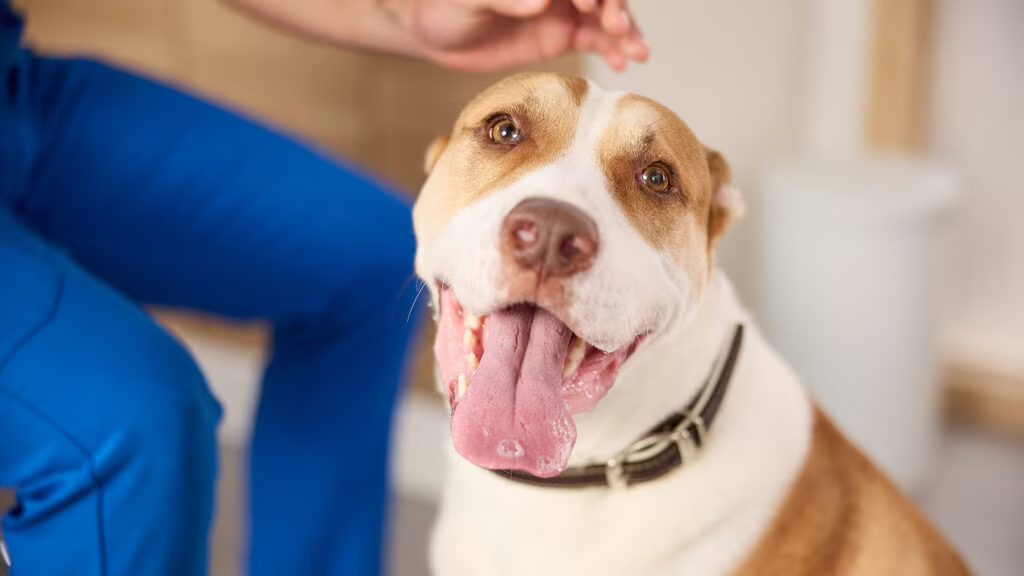
Why is my dog panting so much
Many dog owners find themselves asking why is my dog panting so much, especially when the behaviour appears suddenly or without an obvious reason. Panting is a normal physiological response in dogs, helping them regulate body temperature and cope with excitement or exertion. However, when it becomes excessive or persistent, it can raise concern and indicate underlying stress, discomfort, or illness that should not be ignored.
Understanding why is my dog panting so much is essential for responsible pet care. While some causes are harmless, such as warm weather or play, others may point to anxiety, pain, or medical conditions. This guide explores the most common reasons behind panting, helping you recognise when it is normal and when it may require veterinary attention.
What is normal dog panting
Normal panting is a natural cooling mechanism that helps dogs regulate their body temperature, especially after exercise, excitement, or exposure to warm environments. Unlike humans, dogs do not sweat efficiently through their skin, so they rely on rapid breathing to release heat. In most cases, panting settles once the dog rests and cools down.
However, even normal panting can vary depending on breed, age, and activity level. Flat-faced breeds may pant more frequently due to restricted airways, while younger dogs may pant heavily during play. Observing your dog’s usual behaviour is key to understanding what is normal and what might be excessive or unusual.
Common causes of dog panting
There are many reasons behind panting, ranging from simple environmental factors to more serious health concerns. Heat, exercise, and excitement are among the most common triggers. Dogs may also pant when they are anxious, such as during fireworks, separation, or unfamiliar situations, which can temporarily increase their breathing rate.
In more concerning cases, pain, fever, respiratory illness, or heart disease may be responsible. This is often when owners begin searching why is my dog panting so much, as the behaviour seems out of character. Identifying whether the cause is physical or emotional is crucial in determining the next steps for care.
Dog panting at night
Night-time panting can be particularly worrying for pet owners, especially when it interrupts sleep or appears without clear reason. If you are wondering why is my dog panting so much at night, it may be linked to anxiety, discomfort, or environmental changes such as room temperature. Some dogs also become restless due to ageing or cognitive decline.
In certain cases, night panting may indicate underlying health conditions such as heart disease or breathing difficulties. Dogs that pant excessively while resting at night should be monitored closely, as persistent symptoms may suggest a need for veterinary evaluation and early intervention.
Dog panting while resting
Panting while resting is not always normal and often raises concern among pet owners. When a dog is lying down but still breathing heavily, it may be a sign of pain, internal discomfort, or emotional stress. This behaviour can sometimes appear subtle but may indicate that something is affecting the dog’s wellbeing.
If you find yourself thinking why is my dog panting so much even when calm, it is important to consider hidden causes. Conditions such as fever, anxiety, or cardiovascular strain may present without obvious external symptoms. Careful observation of behaviour changes can help identify whether professional care is needed.
Dog panting and shaking
When panting occurs alongside shaking, it often suggests a more serious underlying issue. This combination may be caused by fear, pain, poisoning, or neurological disturbances. Dogs may also exhibit these symptoms during severe stress or trauma, making it important to assess the situation carefully and act promptly if needed.
Owners frequently search why is my dog panting so much when they notice trembling at the same time. This pairing of symptoms should not be ignored, especially if it is accompanied by vomiting, weakness, or disorientation. In such cases, urgent veterinary attention is often recommended.
Old dog panting a lot
Older dogs are more prone to health issues that can lead to increased panting. Age-related conditions such as arthritis, heart disease, or reduced lung capacity often contribute to heavier breathing. In many cases, this is a gradual change, but sudden increases should always be taken seriously.
If you are asking why is my dog panting so much in an older pet, age alone may not be the only factor. Senior dogs may also experience cognitive dysfunction or hormonal imbalances, which can affect breathing patterns. Regular veterinary check-ups become increasingly important as dogs age.
When to worry about dog panting
It is important to know when panting becomes a cause for concern. If your dog’s breathing is constant, unusually heavy, or accompanied by symptoms such as pale gums, collapse, or extreme fatigue, it may indicate a serious medical issue. Heatstroke, heart failure, or respiratory distress are possible causes that require immediate attention.
Many owners search why is my dog panting so much when they feel unsure about severity. If panting does not improve after rest, cooling, or calming the environment, it is best to consult a vet. Early action can make a significant difference in outcomes and recovery.
How to help a panting dog
Helping a panting dog begins with identifying and removing the trigger. Ensure your pet is in a cool, quiet environment with access to fresh water. Reducing stress and avoiding overexertion, especially during warm weather, can significantly improve comfort and breathing patterns.
In cases where owners repeatedly wonder why is my dog panting so much, lifestyle adjustments may help, but they are not always enough. If panting continues despite care, professional veterinary assessment is essential to rule out underlying health conditions and provide appropriate treatment.
Conclusion
Panting is a natural behaviour in dogs, but it can also be an important indicator of health and emotional state. Understanding the difference between normal and excessive panting helps owners respond quickly and appropriately. Whether it is caused by heat, anxiety, or illness, observation plays a key role in protecting your dog’s wellbeing.
If you ever find yourself asking why is my dog panting so much, remember that consistent or unusual symptoms should never be ignored. Timely veterinary advice ensures your dog remains healthy, comfortable, and supported throughout every stage of life.
You may also read: Clove Oil: Natural Pain Relief with Antibacterial Effects
About the Author