How to Get Something Out of Your Eye
Understanding how to get something out of your eye safely at home is an essential everyday first aid skill, especially when dust, eyelashes, or tiny particles suddenly cause irritation. The eye is extremely sensitive, and even a small speck can feel uncomfortable or painful. Learning the correct steps helps prevent panic and reduces the risk of scratching the cornea or causing infection through improper handling or rubbing.
When people search how to get something out of your eye, they are usually looking for fast relief without making the situation worse. In most cases, the eye can naturally clear itself using tears and blinking. However, knowing the right technique ensures you support this natural process safely. This guide explains practical, gentle, and UK-approved first aid methods that help protect vision while removing minor foreign particles effectively.
Understanding What Might Be Stuck in Your Eye
Foreign particles that require attention when learning how to get something out of your eye are often harmless but irritating substances such as dust, sand, pollen, or loose eyelashes. These tiny objects usually sit on the surface of the eye or under the eyelid, creating discomfort, redness, and watering. Although they may feel serious, most surface-level irritants can be safely removed without medical intervention if handled correctly.
In some cases, the sensation may feel more intense than the actual problem due to the eye’s high sensitivity. Even microscopic debris can trigger excessive blinking and tearing. When considering how to get something out of your eye, it is important to stay calm and avoid touching the eye unnecessarily. Identifying whether the object is superficial or potentially embedded helps determine whether home treatment is appropriate or if professional care is required.
Immediate First Aid Steps
The first response is crucial when learning how to get something out of your eye safely. Always begin by washing your hands thoroughly to prevent bacteria from entering the eye area. Avoid rubbing at all costs, even if irritation feels strong, because friction can scratch the cornea and worsen discomfort. Instead, keep the eye relaxed and allow natural tear production to begin the cleansing process.
Blinking rapidly is one of the simplest yet most effective techniques for how to get something out of your eye. This helps stimulate tear flow, which may naturally flush out loose particles. Many minor irritants are removed in this stage alone without any further action needed. If discomfort continues, proceed gently and avoid any forceful movements that could aggravate the sensitive eye surface.
Safe Methods to Remove Particles Naturally

One of the safest techniques for how to get something out of your eye involves rinsing with clean water or sterile saline solution. Lean over a sink and allow a gentle stream of water to flow across the open eye. This helps wash away particles without applying pressure. In the UK, saline eye wash is commonly recommended for safe and hygienic flushing when water alone is not available.
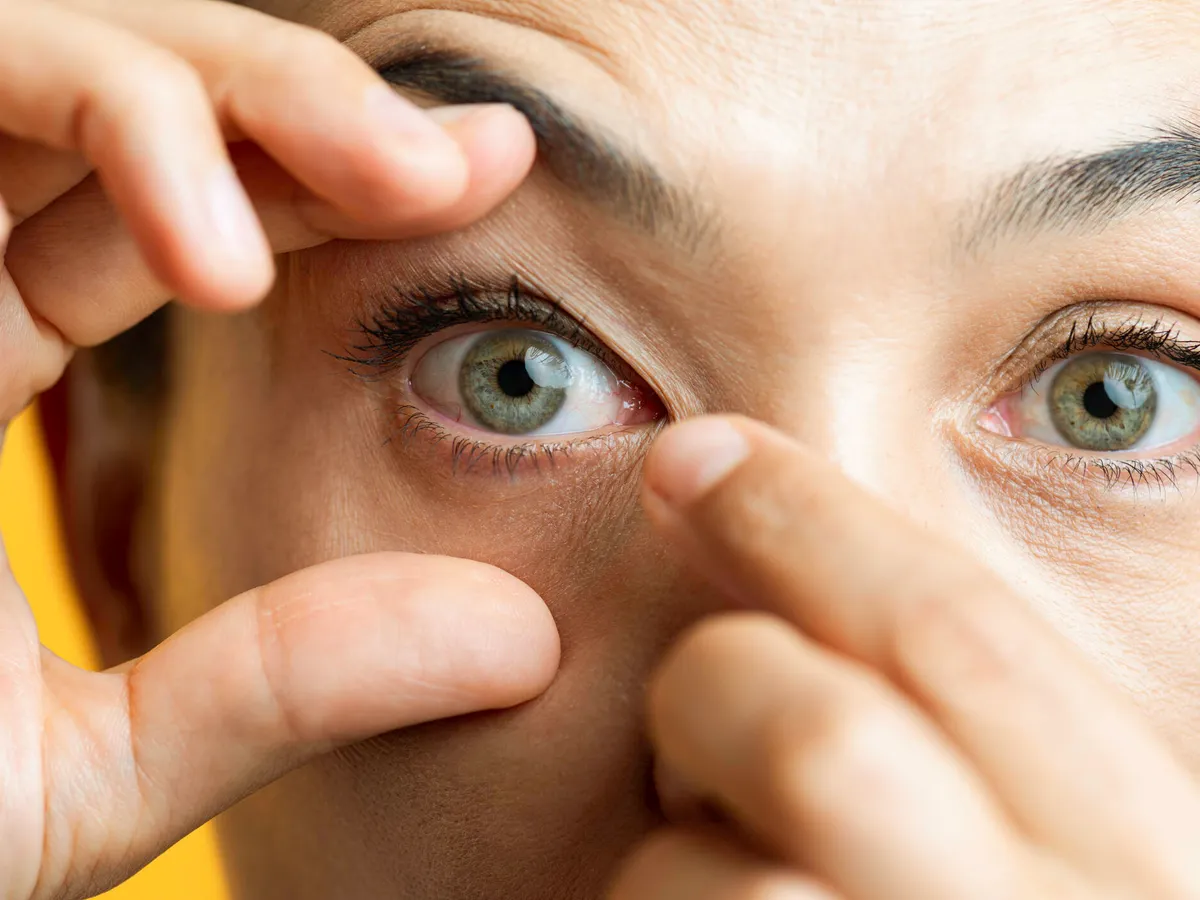
Another gentle approach for how to get something out of your eye is carefully adjusting the eyelids to help dislodge trapped debris. Pulling the upper or lower eyelid slightly can allow tears to move more freely across the eye surface. This natural motion often helps shift small particles toward the corner of the eye, where they can be removed safely without touching the eyeball directly.
What Not to Do When Something Is in Your Eye
A key part of how to get something out of your eye safely is understanding what actions must be avoided. Rubbing the eye is one of the most common mistakes, but it can easily lead to scratches on the cornea or worsen irritation. Even though the urge to rub may be strong, resisting it is essential for protecting long-term eye health and preventing infection.
It is also important not to use unclean objects such as tissues, cotton buds, or fingers to try to remove debris. These can introduce bacteria or push particles deeper into the eye. When learning how to get something out of your eye, safety should always come before speed. Harsh or improper methods can turn a minor irritation into a serious eye injury requiring medical treatment.
When to Seek Medical Help in the UK
Knowing how to get something out of your eye also includes recognising when home care is not enough. If pain persists after flushing, or if vision becomes blurry, it may indicate a deeper issue. Sensitivity to light, ongoing redness, or the feeling of something still being stuck are signs that professional assessment is needed to prevent complications.
In the UK, you can visit an optician or an eye casualty department depending on severity. If the object is sharp, metallic, or entered at high speed, emergency care is recommended. Understanding how to get something out of your eye responsibly means knowing when to stop self-treatment and seek medical help to protect your eyesight from further damage.
Can Opticians Remove Something from Your Eye?
Yes, opticians in the UK are trained to safely remove many types of foreign objects. When learning how to get something out of your eye, it is reassuring to know that professional support is available. They use sterile instruments and numbing drops to examine the eye carefully and remove debris without causing pain or further irritation.
In more complex situations, opticians may refer patients to hospital eye services for advanced treatment. This is especially important if the object is deeply embedded or has caused a scratch on the cornea. Understanding how to get something out of your eye includes recognising that professional care ensures complete safety when home methods are not enough.
Prevention and Eye Safety Tips
Preventing irritation is an important part of understanding how to get something out of your eye effectively in the long term. Wearing protective eyewear during activities such as DIY work, gardening, or construction can significantly reduce the risk of particles entering the eye. Small preventive steps help avoid discomfort and potential injury.
Good hygiene practices also play a key role in reducing eye irritation. Avoid touching your eyes with unwashed hands and ensure proper care when using contact lenses. These habits support overall eye health and reduce the likelihood of needing emergency care. Prevention complements everything learned about how to get something out of your eye safely and efficiently.
Common Mistakes People Make
Many people unintentionally worsen irritation when trying to figure out how to get something out of your eye. One common mistake is assuming the particle will come out on its own without assistance. While this can happen, ignoring persistent irritation can sometimes lead to further discomfort or complications if the object remains trapped.
Another mistake is using excessive force when flushing or attempting removal. Overwashing or using unsafe liquids can irritate the eye further. Learning how to get something out of your eye correctly means balancing gentle action with patience, allowing the eye’s natural healing process to work without unnecessary interference or stress.
Conclusion
Knowing how to get something out of your eye safely at home is a valuable skill that helps protect vision and reduce discomfort in everyday situations. Most minor irritations can be resolved using simple techniques such as blinking, rinsing, and avoiding rubbing. These gentle methods support the eye’s natural ability to clear debris without causing harm.
However, it is equally important to recognise when professional help is required. Persistent pain, vision changes, or embedded objects should always be assessed by a UK optician or eye specialist. When applied correctly, the steps for how to get something out of your eye ensure safety, comfort, and long-term eye health.
FAQs: How to Get Something Out of Your Eye
How do I get something out of my eye safely at home?
You can safely try blinking, rinsing with clean water or saline, and avoiding rubbing to allow natural tear flow to remove the particle.
How to get something out of your eye naturally without drops?
Natural tears and blinking are often enough to clear small particles from the eye surface without needing eye drops.
Can opticians get something out your eye in the UK?
Yes, opticians can safely remove foreign objects using sterile tools and may refer you to hospital if needed.
What is the best way to get something out of your eye quickly?
Gentle flushing with clean water or saline is usually the quickest and safest method.
How do I know if something is still stuck in my eye?
Ongoing irritation, redness, or a scratching sensation may indicate the object is still present.
Should I go to A&E if something won’t come out of my eye?
Yes, especially if there is pain, vision changes, or suspicion of a sharp or embedded object.
Can rubbing your eye make it worse?
Yes, rubbing can damage the cornea and worsen irritation or cause infection.
You may also read: Dog panting at night
About the Author